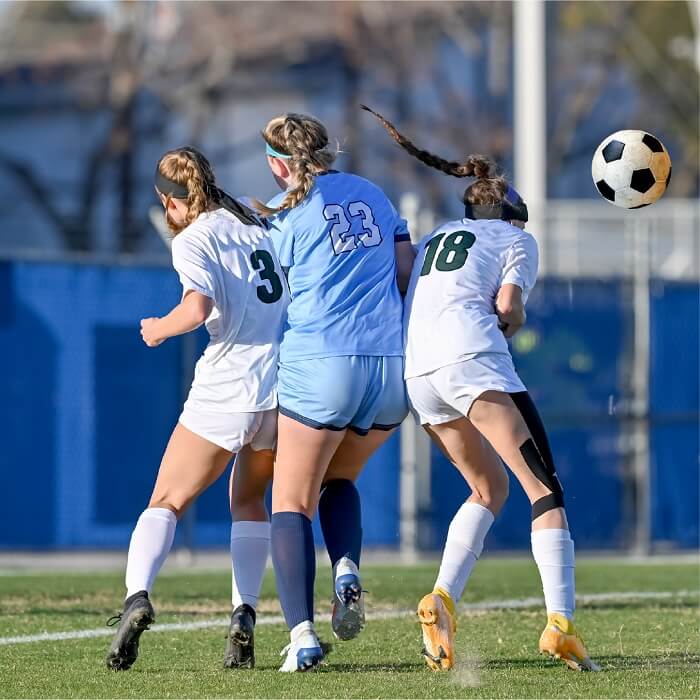
The best athletes often use visualization as a key part of their mental preparation. This training tool helps prepare not only the body, but also the mind for performance before it even happens. With consistent practice, situations that once felt overwhelming or created self-doubt become familiar, helping athletes improve confidence, focus, and emotional control. The following sections break down how to use visualization intentionally in your own sport experience, starting with confidence, building with realistic performance details, and progressing into high-pressure situations. Visualization Is Mental Rehearsal Visualization isn’t about daydreaming or imagining success, it’s about repeatedly practicing it. Just like daily training improves the tactical side of your sport, repeated mental reps help your nervous system learn what successful performance feels like. Through visualization, you teach your body and brain that how you prepare and how you perform can become one and the same. Start With Moments You Trust When starting out with visualization, it’s important to focus on moments you already trust in your performance. For some athletes, this could be their warm-up or the first moment in competition, while for others this may be scoring a goal or point, or reading and anticipating an opponent’s movement. Beginning with success reinforces confidence and prepares you to handle more challenging scenarios. Engage All Five Senses To make visualization practices as effective as possible, you must break the moment down using your senses: Sight: What you see around you Sound: Whistles, voices, breathing Touch: The ground beneath you, your uniform, muscle movement, or your equipment Smell: The air, grass or turf, track Taste (optional): This may be more difficult to visualize, but can be useful if you regularly chew gum or use a specific mouthpiece during competition The more detailed the experience, the stronger the mental connection becomes. Practice Responses Without Pressure One of the biggest benefits of visualization is that it allows you to practice physical and mental responses without the pressure of competition. This allows you to refine mechanics, self-talk, and emotional regulation while maintaining focus on the controllable factors within your sport. Progress Into High-Pressure Situations As your confidence grows in your visualization and these experiences feel more automatic, you can begin incorporating stressful scenarios such as mistakes, fatigue, or other high-pressure stressors. You must continue rehearsing calm and controlled responses in these situations, as it prepares you for how you will want to respond come game-time. Keep It Simple and Consistent As with any habit or tactical training in sport, consistency is key if you want to see meaningful results. Visualization only needs to take a few moments, and with repeated practice, your responses begin to feel automatic and controlled in real performance settings. Interested in learning more or creating your personal visualization routine with me, reach out today!
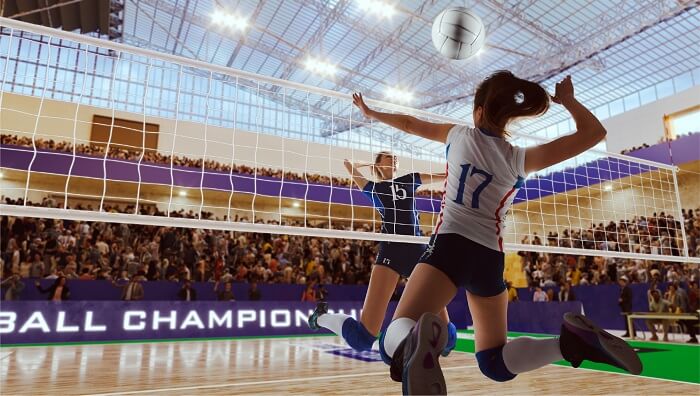
Playing time can have a huge impact on an athlete’s confidence. As competitive athletes, we all want meaningful minutes, whether that means earning a starting role or consistently contributing in games. We love the sport, so of course we want to play as much as possible! But as competition gets tougher, it becomes easy to let minutes define how we see ourselves. I’ve seen athletes start to believe that not starting or not getting subbed in means they aren’t good enough, aren’t trusted, or aren’t as important as their teammates. Before long, those thoughts turn into comparisons, self-doubt, and a drop in confidence that affects not just performance, but identity. Here’s the truth: those feelings are normal. Disappointment, confusion, anger, even jealousy are all valid. What matters most isn’t whether those emotions show up, but how quickly you can respond and shift your mindset. That ability can be the difference between staying stuck and becoming the athlete you want to be. When playing time feels heavy, here are three questions I ask my athletes: What is your role on this team? Are you the captain, the communicator, the energizer, the glue that holds everyone together, the strategist, or the stabilizer in high-pressure moments? Here’s the key: none of those roles are defined by minutes played. Why did you fall in love with the sport in the first place? What’s your “why”? Chances are, 5-year-old you wasn’t thinking, “I love this sport because I’m a starter.” We play because of joy, growth, connection, and challenge, not because of how long we are on the field. What is actually in your control? This part isn’t easy to hear: you’re never 100% in control of your playing time. You can influence it, but ultimately, that decision belongs to the coach. What is in your control is your effort, your attitude, and how you respond when things don’t go your way. Playing time isn’t permanent, but the kind of athlete you choose to be is. Your value isn’t measured in minutes, a starting spot, or when your name gets called. It’s measured in how you show up, how you respond, and how you continue to adapt when things feel hard. To learn more about how to navigate playing time challenges, strengthen your mindset, and stay confident regardless of your role, contact me today.

What growth could you experience in your athletic performance if your inner coach encouraged you rather than judged you? As athletes, we often are quick to criticize ourselves for mistakes we make, missed opportunities, or performances that don’t meet our expectations. We chase perfection over progress, forgetting that growth actually comes from compassion, curiosity, and constructive feedback rather than self-punishment. Here’s the part many athletes overlook when discussing self-talk: How beneficial is your inner critic compared to a realistic, encouraging inner coach? Your performance is shaped as much by the voice in your head as the skills in your body. The good news? That voice can be trained. What Is Your Inner Coach? First and foremost, we need to define your “inner coach.” This is the voice that guides you through challenges and adversity. It can help you stay focused and regain composure, or it can slowly wear you down and derail your performance over time. A strong inner coach encourages growth, allows you to reset your emotions, and keeps perspective during tough moments. Why It Matters Positive self-talk helps you to trust your decisions when competing, keeps your mind sharp, allows you to recover faster from mistakes, and makes your performance more reliable. When athletes strengthen their inner coach, they play with more clarity and confidence. How to Strengthen Your Inner Coach You understand why your inner coach matters, now it’s time to put it into practice. Here’s how to start building it into your training: Step 1: Notice Your Self-Talk Pay attention to what you say to yourself, both out loud and in your head. Ask: Is this helping me or hurting me? Step 2: Reframe the Thought Shift your judgment into a learning moment. Instead of: “I messed up again.” Try: “Yes, I made a mistake, but now I know what to adjust for next time.” Step 3: Choose Cue Words That Stick Use short, powerful phrases to reset your focus: “Next play”, “Trust your training”, “Reset”, “Brush it off”. Helpful tip: Pair a physical action with your cue word to make it more memorable. “Shake it off” → shake out your hands “Brush it off” → swipe your hands over your arms or shorts Step 4: Talk to Yourself Like a Good Coach If you wouldn’t say it to a teammate you care about, don’t say it to yourself. Your inner coach can be trained just like any other skill. When it becomes more encouraging and realistic, your performance changes with it. The best part is you can try these strategies anywhere you are training or competing, starting today. To learn more about how you can transform your self-talk and improve your performance, contact me today.